Confirming Compliance and Workplace Safety Standards
Drug Testing in Lufkin for employers managing federally regulated workforces and company-specific safety programs
Williamson Family Health administers both DOT and non-DOT drug testing in Lufkin beginning in August 2026, serving employers who need federally compliant screening for safety-sensitive positions and businesses designing custom workplace drug policies. DOT testing follows strict federal regulations under 49 CFR Part 40, requiring a standardized 5-panel urine test with chain-of-custody protocols and Medical Review Officer review, while non-DOT programs allow flexibility in panel selection, specimen type, and testing schedules based on company needs. Employers in transportation sectors must meet federal standards, while other industries structure programs around operational risk and state law.
DOT drug testing applies to employees in safety-sensitive positions regulated by agencies like the Federal Motor Carrier Safety Administration, Federal Aviation Administration, and Federal Railroad Administration, including commercial truck drivers holding CDL licenses, pilots, and train engineers. The 5-panel urine test screens for marijuana, cocaine, opiates including semi-synthetic opioids like oxycodone, amphetamines and methamphetamines, and phencyclidine. Non-DOT testing serves standard corporate roles, hospitality staff, manufacturing workers, and any position where company policy mandates screening, with employers choosing panel sizes from 5-panel to 12-panel configurations that may include barbiturates, benzodiazepines, or nicotine depending on workplace exposure risks.
Schedule a consultation to determine which testing protocol aligns with your workforce compliance requirements.
How DOT and Non-DOT Programs Differ
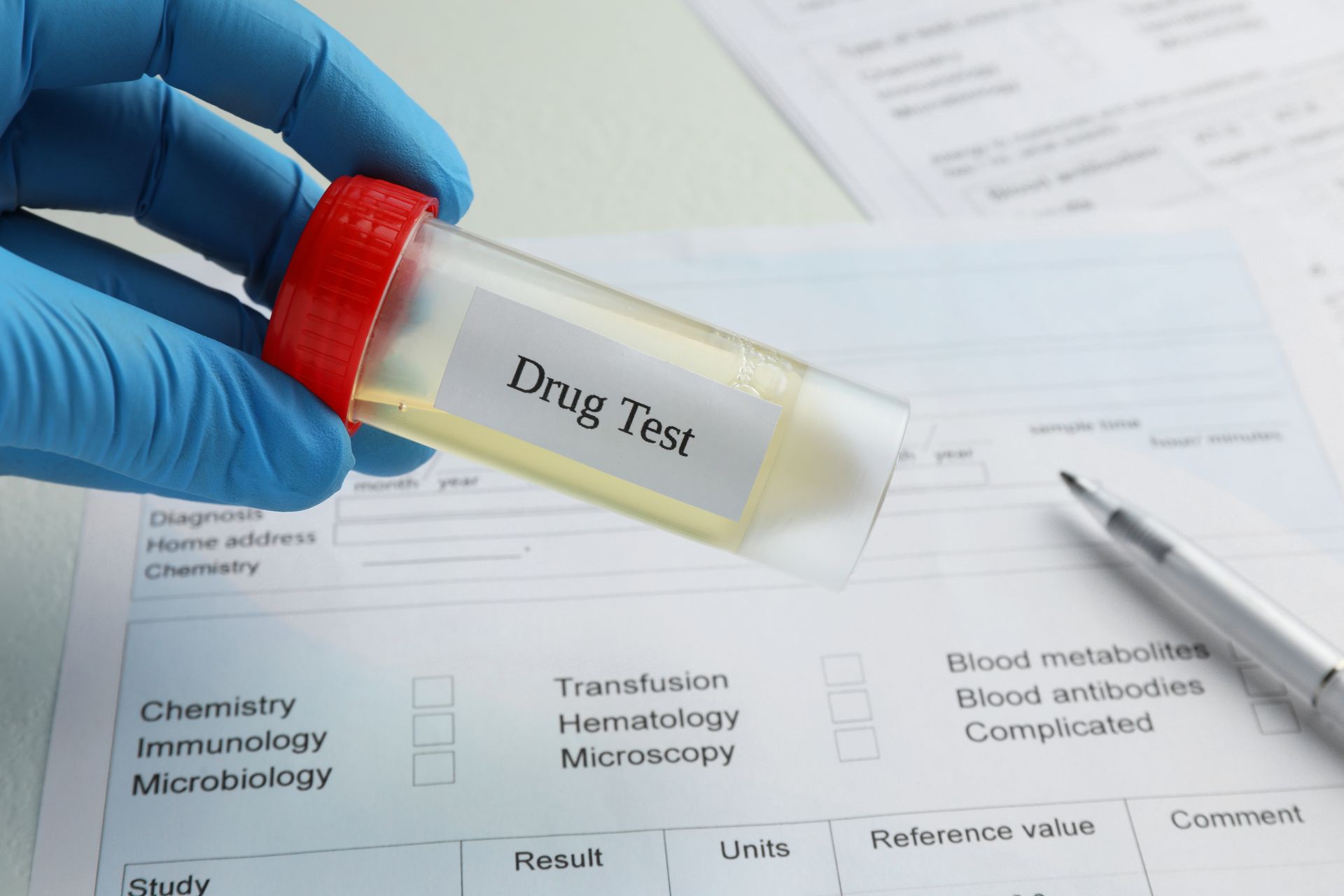
DOT testing follows a rigid federal framework where every step from specimen collection to result reporting is standardized, using only certified collection sites, specific custody-and-control forms, and mandatory MRO review before results reach the employer. Non-DOT programs give employers control over specimen type, allowing saliva, hair follicle, or breath testing in addition to urine, and the ability to adjust panel composition based on job hazards or substance prevalence in the industry.
After DOT testing, a Medical Review Officer contacts the donor to review any prescription medication that might explain a positive result before the employer receives a final determination, protecting both safety standards and privacy. Non-DOT results go directly to the employer or designated administrator, and the consequences for a positive test depend entirely on company policy and applicable state or local employment laws. Employers using non-DOT testing can implement progressive discipline, treatment programs, or immediate termination depending on how their policy is structured.
Both programs require proper documentation and adherence to collection protocols to ensure defensibility if results are challenged. DOT testing mandates specific forms and timelines that cannot be altered, while non-DOT employers must ensure their policies are clearly communicated, consistently applied, and compliant with state-specific regulations governing pre-employment screening, random testing, and reasonable suspicion procedures.
What Employers Ask About Drug Testing Services
Employers preparing to implement or expand workplace drug testing programs often have questions about compliance requirements, testing methods, and how to structure protocols that meet operational and legal standards.
What makes DOT drug testing legally distinct from standard employment screening?
DOT testing is governed by federal regulation 49 CFR Part 40, which mandates a 5-panel urine test, strict chain-of-custody procedures, certified collection sites, and Medical Review Officer verification before results are released to employers. Non-DOT testing is guided by company policy and state law, allowing employers to choose panel size, specimen type, and testing frequency based on workplace needs.
How does the Medical Review Officer review process work in DOT testing?
The MRO contacts the employee directly after a positive result to review any prescription medications or legitimate medical explanations before reporting the outcome to the employer, ensuring that federally required privacy protections are maintained while confirming whether the result represents a policy violation.
What panel size should employers choose for non-DOT testing?
Panel selection depends on job risk, industry standards, and substance prevalence in the workforce. A 5-panel test covers the most common substances, while 10-panel or 12-panel tests add prescription drugs like benzodiazepines and barbiturates that may impair safety in manufacturing or equipment operation roles.
When should random drug testing be used versus reasonable suspicion testing?
Random testing is used in DOT programs and high-risk industries to deter substance use through unpredictable selection, while reasonable suspicion testing in Lufkin applies when observable behavior, physical symptoms, or workplace incidents suggest impairment, requiring documentation of specific signs before testing is initiated.
What documentation is required to support a drug testing program?
DOT employers must maintain records of testing events, MRO determinations, and employee notifications for five years as required by federal regulation. Non-DOT employers need a written drug testing policy distributed to employees, signed acknowledgment forms, and records that demonstrate consistent application across the workforce to defend against wrongful termination or discrimination claims.
Williamson Family Health provides collection services and procedural guidance for both federally mandated and employer-designed drug testing programs beginning in August 2026. Contact the clinic to establish a testing protocol that meets your compliance obligations and workforce safety goals.